Going Plant-Based Without Going Hungry: A Woman's Practical Guide
Plant-based eating has officially left the fringe: whether for health, planet or preference, more women than ever are shifting their plates toward plants — and most get the same welcome package: better digestion, lighter energy, and three relatives suddenly concerned about protein. The truth: a plant-based plate can meet every nutritional need a woman has, but a few nutrients deserve actual planning rather than vibes. Here is the guide that handles both the plate and the relatives.
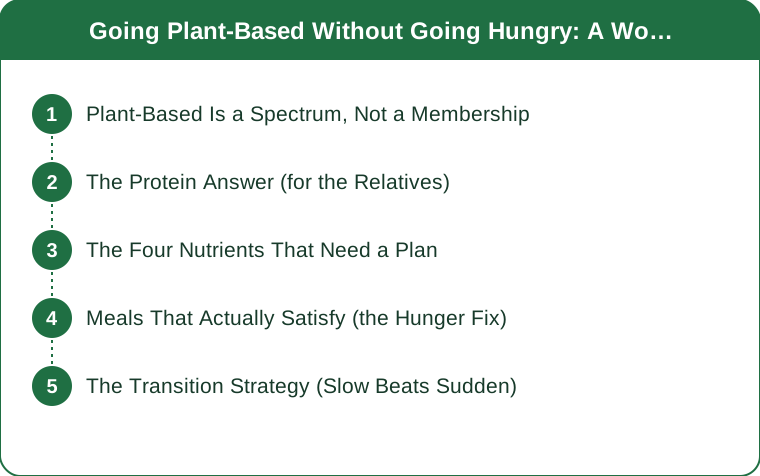
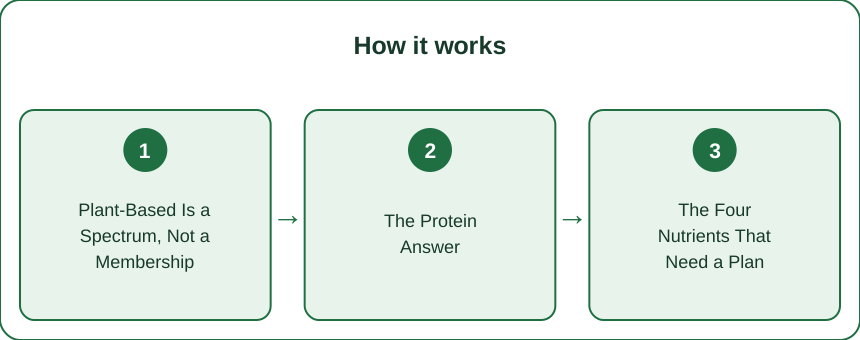
Plant-Based Is a Spectrum, Not a Membership
First, permission: plant-based does not require a vegan ID card. The spectrum runs from plant-forward (plants as the plate’s center, animal foods as supporting cast) through vegetarian to fully vegan — and research shows benefits scaling along the whole range: better heart markers, easier weight management, more fiber than the 90% of women currently under-eating it. Pick the point that fits your life, and know you can slide along it. The all-or-nothing framing is the diet industry talking, not the science.
The Protein Answer (for the Relatives)
Plants absolutely carry protein — the skill is eating them deliberately: lentils (18g per cooked cup), chickpeas and black beans, tofu and tempeh (20-plus grams per serving and they absorb any flavor you assign), edamame, seitan for the wheat-friendly, plus quiet contributors like quinoa, hemp seeds and even oats. The old myth about combining proteins at every meal is retired — variety across the day covers your amino acids fine. Active women should aim slightly higher on totals, and a plant protein powder is a perfectly honorable shortcut.
The Four Nutrients That Need a Plan
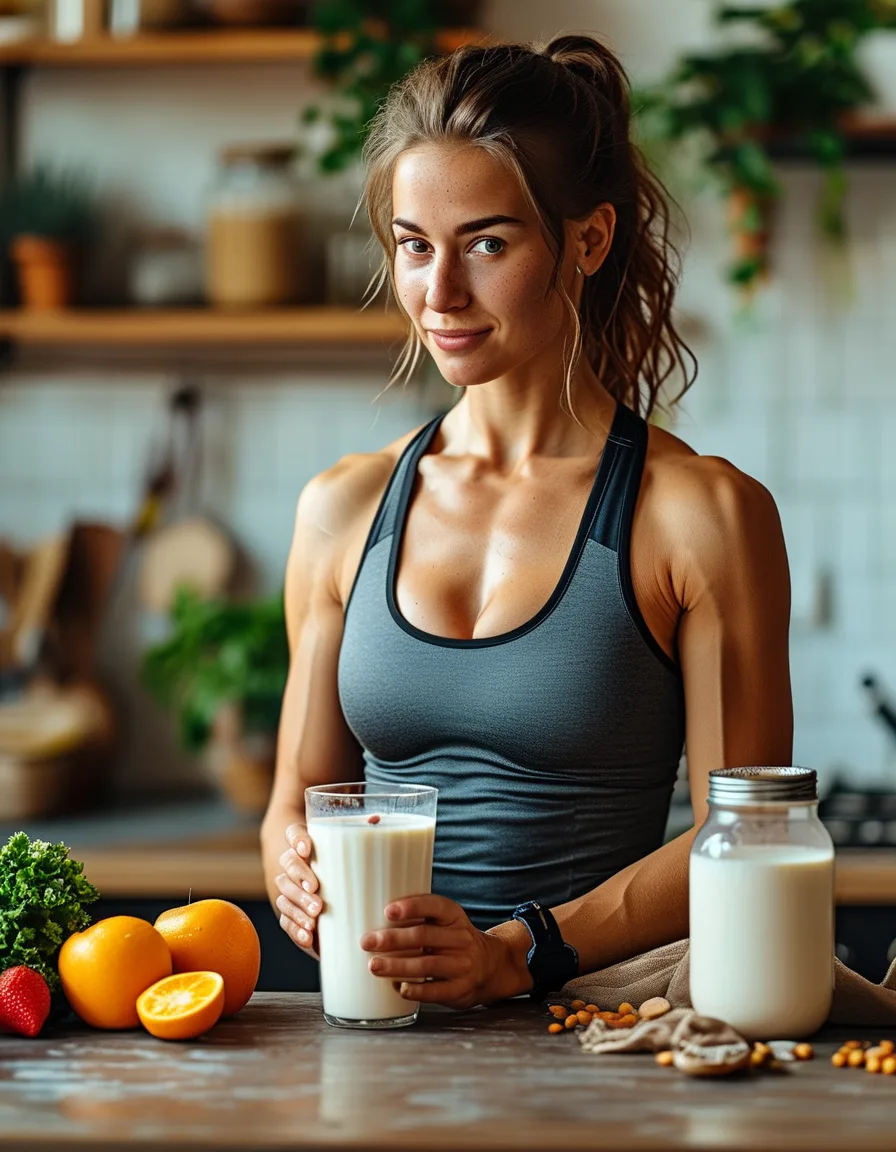
Here is the part that separates thriving from tired. B12: non-negotiable supplement territory for fully plant-based eaters — it simply is not in plants reliably. Iron: women’s needs are higher, and plant iron absorbs better with vitamin C — so pair beans and greens with citrus, tomatoes or peppers, and skip tea with iron-rich meals. Omega-3s: ground flax, chia, walnuts daily, and consider an algae-oil supplement. Calcium and vitamin D: fortified plant milks, tofu set with calcium, and sunshine or a supplement. Four items, one grocery-list adjustment. This is general guidance — a clinician can confirm your personal numbers.
Meals That Actually Satisfy (the Hunger Fix)
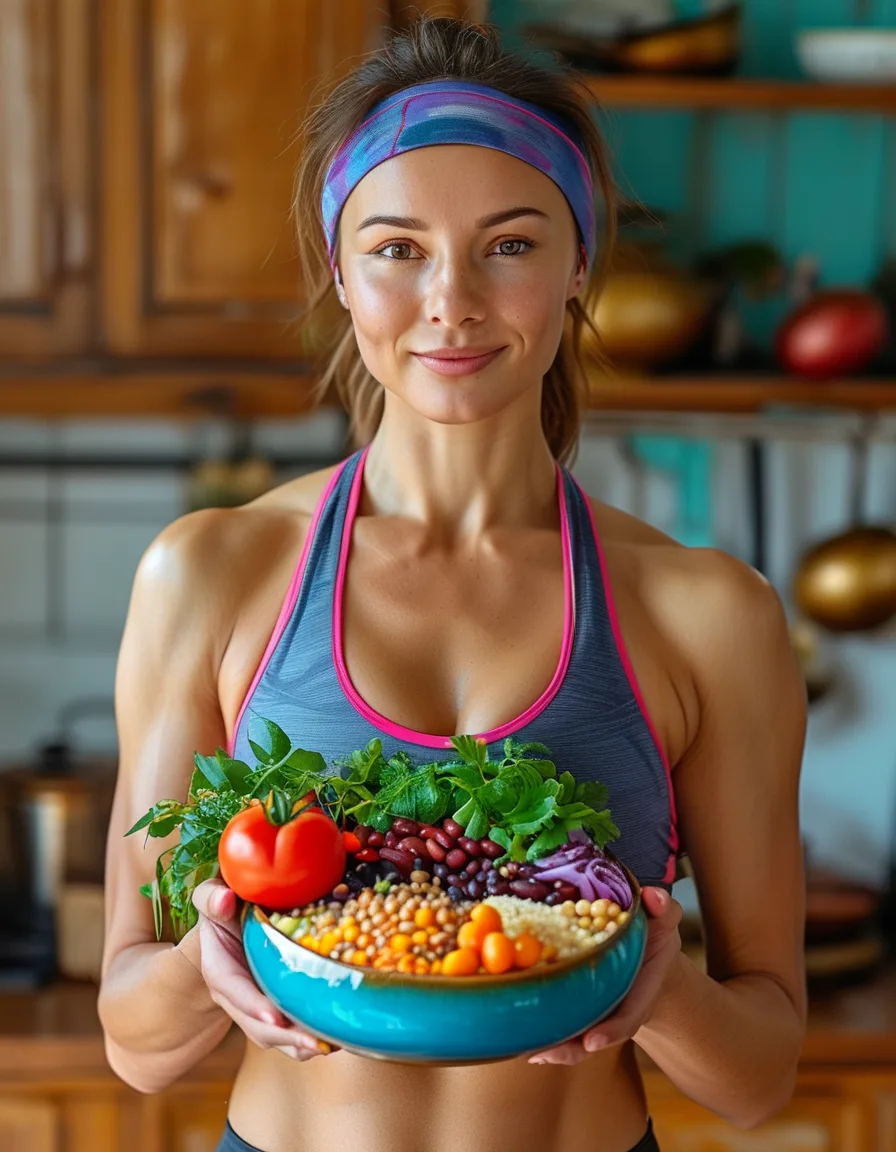
New plant-based eaters who feel hungry all the time usually built salads, not meals. The satisfying formula: legume or soy protein + whole grain + vegetables at volume + a real fat + a sauce with personality. Proof: black bean tacos with avocado and slaw; chickpea curry over brown rice; peanut-tofu noodles with broccoli; lentil bolognese; a loaded hummus bowl with farro and roasted everything. Fat and protein are what make plants filling — the era of the sad undressed salad ends here, permanently.
The Transition Strategy (Slow Beats Sudden)
The highest-success path is gradual: start with plant-based lunches, or Meatless Monday-through-Wednesday, or the classic crowd-out — add one legume dish per day and let it displace what it displaces. Expect your gut to spend two weeks adjusting to the glorious fiber increase (drink water, be patient, it settles into the improved digestion everyone raves about). Batch-cook beans and grains on Sundays, keep frozen vegetables and canned legumes as your safety net, and let each week be slightly more plant than the last. Directions matter more than declarations.
Plant-based eating for women is a genuinely great pattern with a short technical manual: protein deliberately, B12 supplemented, iron with vitamin C, omega-3s daily, meals built with fat and sauce like you mean it. Handle those and the rest is upside — energy, digestion, heart health and grocery bills all trending kindly. Start with three plant dinners this week. The relatives will adjust. They always do.
Keep Reading
This article is for general informational purposes only and is not medical advice. Always consult a qualified health professional for guidance specific to you.