Fueling Workouts on Plants: The Active Woman's Plant-Based Playbook
Quick Answer: Plant-based athletes fuel the same way everyone else does — fast carbs 30–60 minutes before training, protein plus carbs after — with three genuine footnotes: monitor iron (test ferritin yearly), supplement B12 (non-negotiable), and eat enough total calories, since plant foods are high-volume and easy to under-eat on.
Plant-based athletes field the same question at every potluck — but where do you get your ENERGY? — while quietly out-training the questioners.
Plants fuel training fine. The playbook just has three genuinely important footnotes, and pretending otherwise does nobody any favors.
Here’s sports nutrition, translated.
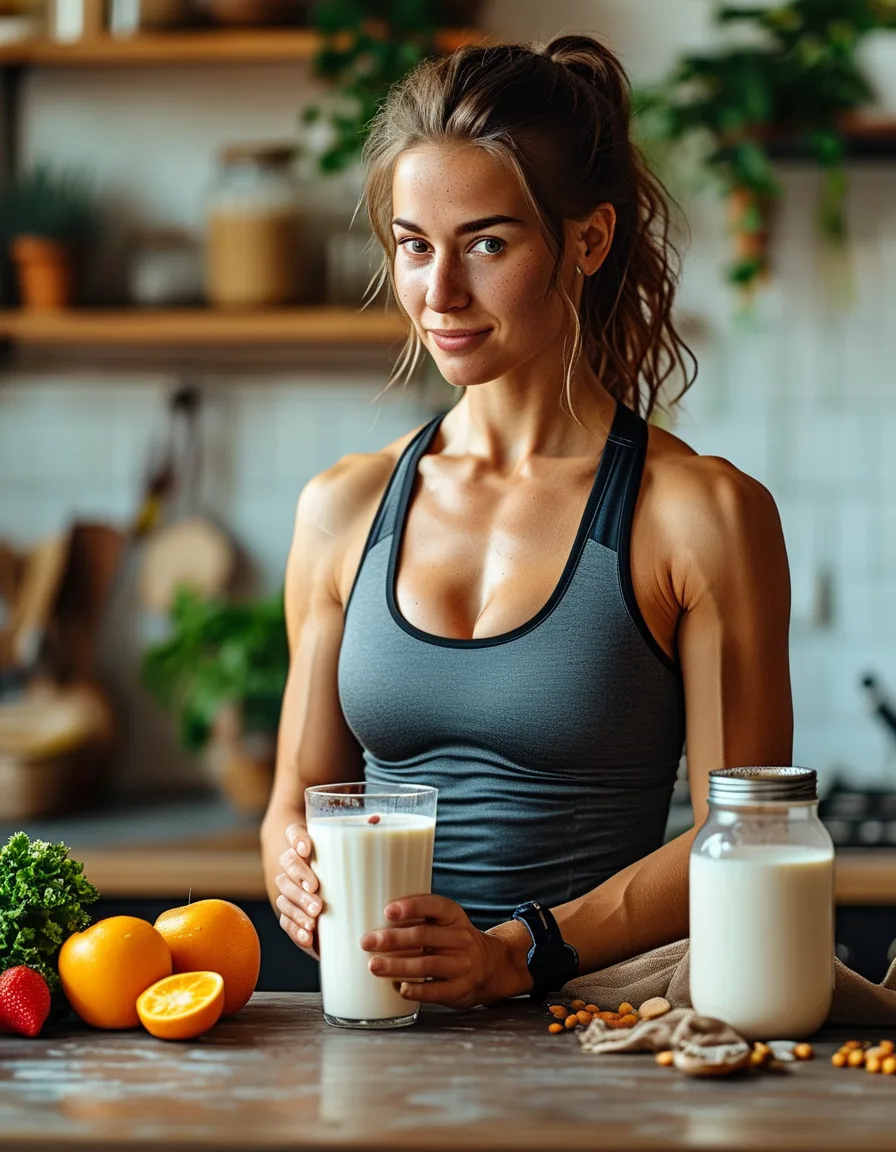

What Should You Eat Before a Workout?
Pre-training fuel was always plant-based, which is the joke nobody notices.
Bananas, oats, toast with jam, dates — dates being the original energy gel, and still competitive with the packaged version. Aim for 30–60g of fast carbohydrate, 30–60 minutes out for anything hard or longer than an hour.
For shorter or easier sessions, you probably don’t need anything at all. For a 6am session, a banana and a coffee covers most people.
Nothing changes here except noticing that nothing changes. The potluck question answers itself at the fruit bowl.
Keep fat and fiber low in the pre-workout window — that’s the one adjustment plant-based eaters sometimes need, since a high-fiber baseline can mean an uncomfortable run if lunch was a bean bowl ninety minutes earlier.
What About Recovery and Protein?
The recovery meal wants protein plus carbs: a soy-milk protein smoothie, tofu scramble on toast, lentils over rice, tempeh with sweet potato.
Target roughly 20–40g of protein post-session and 1.4–2.0g per kg of bodyweight per day if you’re training seriously — the same range recommended for any athlete. Some researchers suggest plant-based athletes aim toward the higher end, since plant proteins have slightly lower digestibility and differing amino acid profiles.
Plant proteins digest slightly slower. Per the research, this is essentially irrelevant to results — total daily protein outranks timing precision by a wide margin, and the “anabolic window” turns out to be measured in hours, not minutes.
The practical move is variety: soy (a complete protein), plus legumes, grains, nuts and seeds across the day. You don’t need to combine proteins at each meal; across the day is sufficient.

The Three Footnotes: Iron, B12 and Calories
The honest footnotes — monitored, not feared.
Iron. Training raises requirements, and non-heme (plant) iron absorbs less readily. The escort strategies apply doubly: pair iron foods with vitamin C (lentils with tomato, spinach with citrus), and keep tea and coffee away from iron-rich meals by an hour or so. Get ferritin tested yearly, especially if you menstruate — this is the single most useful blood marker for an active plant-based woman.
B12. Supplemented. Non-negotiable. It is not reliably available from plant foods, and deficiency develops slowly and quietly. A daily or weekly supplement, or reliably fortified foods, and that’s the entire conversation.
Total calories. Plants run high-volume and low-density, which means hard-training women can accidentally under-fuel while feeling full. The energy-in math needs actual density: nuts, nut butters, oils, avocado, dried fruit, grains. Under-fueling shows up as stalled progress, poor recovery, disrupted cycles and constant fatigue long before it shows up on a scale.
Also worth having on the dashboard: vitamin D, omega-3 (algae-based EPA/DHA), calcium, zinc and iodine. Not alarming, just worth a look once a year.

Myth vs Fact
Myth: You can’t build muscle on plants. Fact: Given adequate total protein and calories, muscle protein synthesis doesn’t care about the source. Elite plant-based athletes exist across essentially every sport.
Myth: You must combine proteins at every meal. Fact: An outdated idea. Your body maintains an amino acid pool; variety across the day is sufficient. Soy is a complete protein anyway.
Myth: Plant-based diets are automatically healthier for athletes. Fact: They can be excellent, and they can also be badly executed. The diet neither handicaps nor enchants — it requires the three footnotes and enough food.
Myth: Plant protein powders are inferior. Fact: Soy and pea protein perform comparably to whey in most training studies. Blends covering the full amino acid profile close whatever small gap exists.
When Should You Talk to a Professional?
Get a doctor or sports dietitian involved if you’re persistently fatigued, recovery has gotten noticeably worse, your periods have become irregular or stopped, you’re getting frequent injuries or illness, or you’re training seriously and have never had bloodwork.
Those are under-fueling and micronutrient signals, and they’re all fixable — usually easily — once you know which one it is. Guessing at supplements without testing is the slower route.
Mini FAQ
How much protein do I actually need?
1.4–2.0g per kg of bodyweight daily for most training athletes. For a 65kg woman that’s roughly 90–130g — achievable on plants but it requires intention, particularly tofu, tempeh, seitan, legumes and a protein powder if the numbers are stubborn.
Do I need creatine as a plant-based athlete?
Plant-based eaters typically have lower muscle creatine stores, since dietary creatine comes from animal foods. Supplementing (the standard 3–5g daily of monohydrate) often produces a somewhat larger response than in omnivores. It’s one of the best-studied supplements available, but check with your doctor if you have kidney concerns.
Is soy safe to eat every day?
Yes, on current evidence. The concerns about soy and hormones largely came from animal studies at doses far beyond normal intake; human research consistently finds moderate soy consumption safe and often beneficial. It’s also the most complete plant protein available.
TL;DR:
- Pre-workout: 30–60g fast carbs 30–60 minutes out — bananas, oats, toast, dates.
- Post-workout: 20–40g protein plus carbs; total daily protein (1.4–2.0g/kg) matters far more than timing.
- Iron: pair with vitamin C, keep tea/coffee away from meals, test ferritin yearly.
- B12: supplement, always. Also check vitamin D, omega-3, calcium, zinc, iodine annually.
- Eat enough — plant foods are high-volume, and under-fueling is the most common real problem.
Bananas before, tofu-and-rice after, iron and B12 on the dashboard, calories sufficient. Plants fuel PRs fine — the energy question was always answerable with a grocery list.
Keep Reading
This article is for general informational purposes only and is not medical advice. Always consult a qualified health professional for guidance specific to you.